
Why Change Feels Like Losing Yourself
Change is hard. Not because we don’t want it, but because some things about us have stopped feeling like things at all, they feel like facts. That’s often why change feels hard in a way that advice doesn’t fix.
“This is who I am.” How many times have you believed that to be true, and in what context have you used it?
“I am an anxious person.”
“I am a procrastinator.”
“I am a perfectionist.”
“I am an overthinker.”
“I am a late sleeper.”
“I am short-tempered.”
“I am always the caretaker.”
“I am the people pleaser.”
“I am avoidant.”
Do any of these ring a bell?
Now notice how permanent they sound. It almost sounds like an identity, something that cannot be changed.
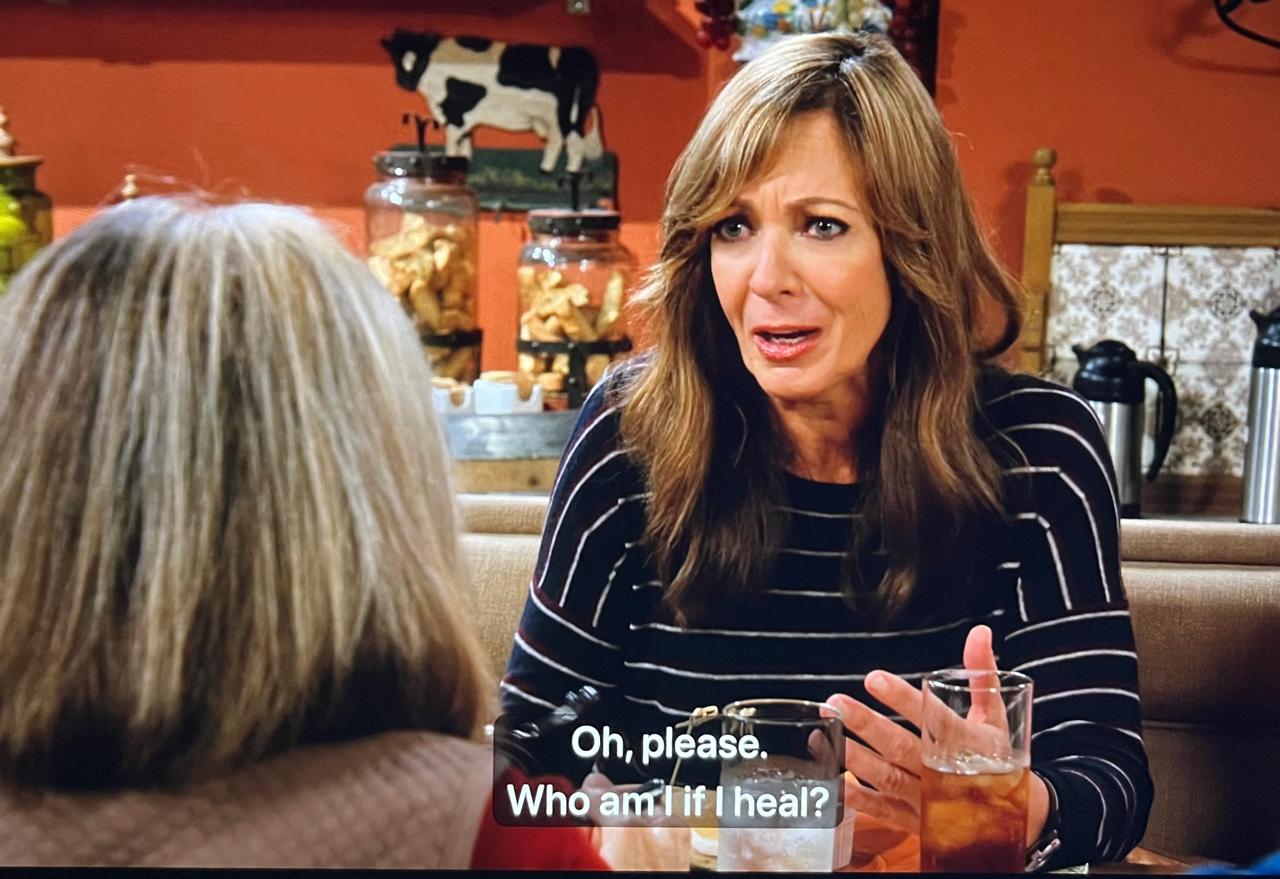
We are quite good at getting to know the why of it all, and we tend to cling to our reasons and struggles.
When we constantly hear or tell ourselves this is who we are, in a way we also live up to that definition. It brings some consistency and predictability to our experiences, even if it doesn’t really help us live the life we would want to.
Example: if you identify yourself as a people pleaser, you get in the habit of hiding your true experiences and agreeing with whatever the other person says, basing decisions on how the other person will feel. And in doing so, you get disconnected more and more from what you wanted to do.
This example makes it kind of obvious that it’s not helpful for the person, however when you have been doing this forever, you get comfortable around your unhelpful patterns.
The Comfort of Unhelpful Patterns
The same is with anxiety. When you have spent most of your life controlling things, planning, avoiding confrontations and interactions, and that’s just how you have always been, what would life look like if suddenly this was taken away from you?
An interesting concept of learned helplessness comes to mind, which says that when you have been through struggles in the past where you were in fact helpless, even when things do change or you can really do something about it, you still continue to act from the same helplessness stand.
Originally demonstrated in psychological experiments where animals exposed to unavoidable shocks stopped trying to escape even when a safe path was later provided, we see the same pattern in ourselves.
No evidence changes that belief until you really start to pay attention to what’s happening in the now and not how the past has always been.
Why Healing Feels Uncomfortable When Change is Hard
So what happens when your identity gets fused like that with your struggles, with your emotions, with your styles of coping?
When the identity has been formed around dysfunction, healing can in fact seem destabilizing. As harsh as it sounds, we do get comfortable even with struggles.
Healing feels uncomfortable because it means coming to terms with the need to change patterns and facing discomfort that helps you in the long run, instead of grabbing a low-hanging fruit.
Which means stepping into the unknown, doing something you have not been very comfortable with.
“Who am I if not for how I have always lived?” This can be fearful, this can pose an existential threat to us.
This deep fear of change also comes with grief, because change might mean walking away from something, walking away from people, walking away from certain systems.
Separating Who You Are From What You Experience
So what can be the starting step? Well, if you do believe somewhere your identity has become fused with your coping method or your emotions, the first step could perhaps be separating it.
If you’re asking yourself why change is so hard, it is often because our identity and mental health, get so intertwined that we treat a temporary coping style as an unchangeable truth.
Try shifting the language:
- “I am an anxious person” becomes “I am a person who feels anxiety from time to time.”
- “I am a people pleaser” becomes “I often try to make others happy so they don’t get upset with me.”
Do you notice the difference? Once you recognize something that happens with you as opposed to who you are, it creates flexibility. What further increases that flexibility is when you don’t see it as a forever truth about yourself.
Removing permanency can look like telling yourself: “Right now I am taking on some behaviors to protect myself, but that doesn’t mean I will cling on to them forever.”
What this does is remind us that things can change, and that you in fact have a role to play.
If change feels hard, it starts exactly there, with describing yourself differently, not doing something different.
Reframing Your Inner Narrative
As an interesting exercise, go on a discovery about yourself. Notice when you talk to yourself or describe yourself: what has become part of your identity?
If you feel this is something you are experiencing all by yourself, and others can help you get used to such exercises, our mental health community, is all about that. Not only do you get to meet people, you also get to take their help in slowly, subtly reframing what you see as absolute truth about yourself, but deep down you know it isn’t.
And if you ever feel like navigating these deep-seated patterns with one-on-one professional guidance, connecting with a therapist in Kolkata can offer a safe space to unpack this, to look at yourself beyond these markers.
If you are in Kolkata, you can avail offline sessions with our clinical psychologist in Kolkata, to not only explore your thoughts, but also integrate it with how you experience it in your body.